10 years ago 1997

It begins with paging the supplier and then arranging to meet confidentially in parking lots from Granite Falls to Everett. Its not drug deals its an outreach program to prevent the spread of HIV in intravenous drug users by exchanging dirty needles for clean ones. Between January and September 1996, the Snohomish County Health District program exchanged almost 70,000 needles and made over 500 referrals for drug treatment. In Marysville, outreach workers exchanged between five and eight needles per month this year and none last year, said Elizabeth Doan-Gonzales, program director with Pacific Treatment Alternatives. The controversial program, funded through the states general fund for HIV prevention, is in its third year of operation. The health district board, comprised of 15 elected city and county council members, votes on renewing the contract with Pacific Treatment Alternatives each year. Last year was a close vote, 6-to-5 in favor. The year before it was 11-1 in favor with different board members. The board will soon vote on the 1997 contract. How do we know that giving them a clean needle ensures that they will use it? said Donna Pedersen, health board member and Marysville City Council member. Pedersen said she is concerned that the program isnt cost effective. I would much rather spend money on addiction programs than this, she said. The Snohomish County Health District contracted with Pacific Treatment Alternatives since 1989 for HIV prevention outreach work. In 1993, they added needle exchange to that contract. The $95,000 budget includes salary and administrative costs for two outreach workers, plus gas and mileage for all outreach work, not just needle exchange. The exchange program costs for 1995 were about $7,000 which includes purchasing clean needles and disposing contaminated needles. Ward Hinds, Snohomish County Health Officer, said the primary concern for the exchange program is preventing drug users from sharing contaminated needles. If this program can prevent just one AIDS case every 10 years its going to more than pay for itself, Hinds said. According to the Center for AIDS Prevention Studies at the University of California and Harvard AIDS Institute, the lifetime costs of treating an HIV-infected person are about $119,000. Between 1990 and 1994, about 26 percent of the almost 300 people in Snohomish County with AIDS reported intravenous drug use. Washington state law prevents the sale of needles or syringes by pharmacists unless for legal uses. Pharmacists contacted said they question those who request needles and syringes to ensure they are for insulin. Pedersen said she has not been supportive of the needle exchange program. Although I have compassion for those who might be in a situation to contract AIDS I feel that it sends a mixed message to the young people, she said. Many programs work to counter drug use among teens, she said. [We say] dont do drugs, but if you do heres clean needles. Hinds said the program works with pagers and going to drug users to avoid a high level of visibility. The program is invisible to school kids, he said. We dont go around talking about needle exchange. There is no message except drug use is very dangerous and we can help you get into treatment, but while you are making that decision we dont want you to get infected, he said. Doan-Gonzales said it takes time to establish trust and relationships with the drug users before they may listen to treatment suggestions. We help keep them safe until they make other decisions, she said. Another advantage of meeting with drug users on their own terms is to avoid community opposition, Hinds said. Its very difficult to sell politically because we are trying to prevent infection in a segment of the population that is not very popular, Hinds said. Needle exchange programs in Seattle and Tacoma that have a central building for exchanges have been the subject of much opposition by neighbors and community members. Those who favor the needle exchange say it safely disposes of contaminated needles and keeps them out of public parks and streets.
MARYSVILLE The Aug. 21 primary election is seven weeks earlier this year due to a change in state law and elections officials are urging voters to pay attention.
ARLINGTON The Arlington Kids Kloset recently received a combined total of $2,500 from the Crown Distributing Employee Giving Fund and the Greater Everett Community Foundation.
ARLINGTON They say bad luck comes in threes. An employee at downtown Arlingtons New Beginnings Thrift Shop now knows its true.
ARLINGTON The Stillaguamish Tribe of Indians is accepting applications from public and non-profit agencies, through Jan. 31, for projects designed to address any negative impacts of Stillaguamish Tribal Gaming operations, at the Angel of the Winds Casino, on the north Snohomish County area.

ARLINGTON Santa Claus will be out one more night on his 10-day tour of Arlington with the Arlington Fire Department, extending an extra night to replace last weeks cancellation due to the windstorm.
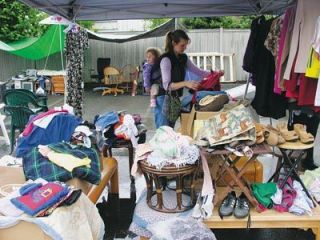
ARLINGTON In spite of variable weather and downtown construction, Arlingtons branch of Windermere Real Estate earned more than $1,500 for local charities during its second annual Community Service Day Yard Sale June 15.
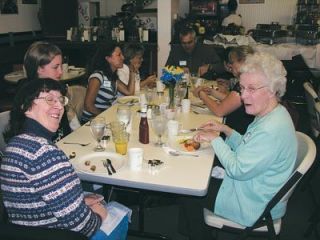
ARLINGTON The Arlington Kids Kloset honored its volunteers by looking back on their accomplishments over the course of the groups second year in operation.
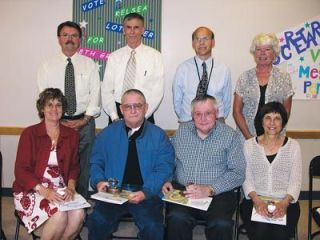
ARLINGTON More than 330 cumulative years of service to the education of children were recognized by the Arlington School District June 13, when school district students, families, colleagues and community members gathered at Haller Middle School to pay tribute to 12 district teachers and staff members who are retiring at the end of this school year.

ARLINGTON Once a year, the Arlington High School graduating class of 1937 gets together to catch up on old times and new, and this years meal at the Eagle Crest Restaurant marked their 70-year reunion.
![Sylvia and J.Y. Dyc [pronounced Dike] Dycus](https://www.arlingtontimes.com/wp-content/uploads/2016/10/141988-22-2007-9-23-12-AM-4001519.LongestMarriage.Kirk_.jpg)
ARLINGTON Things have changed since the Stillaguamish Valley Pioneers first started meeting in Arlington.

ARLINGTON The family of Robert and Karen Washburn want people to remember how they lived, rather than how they died.