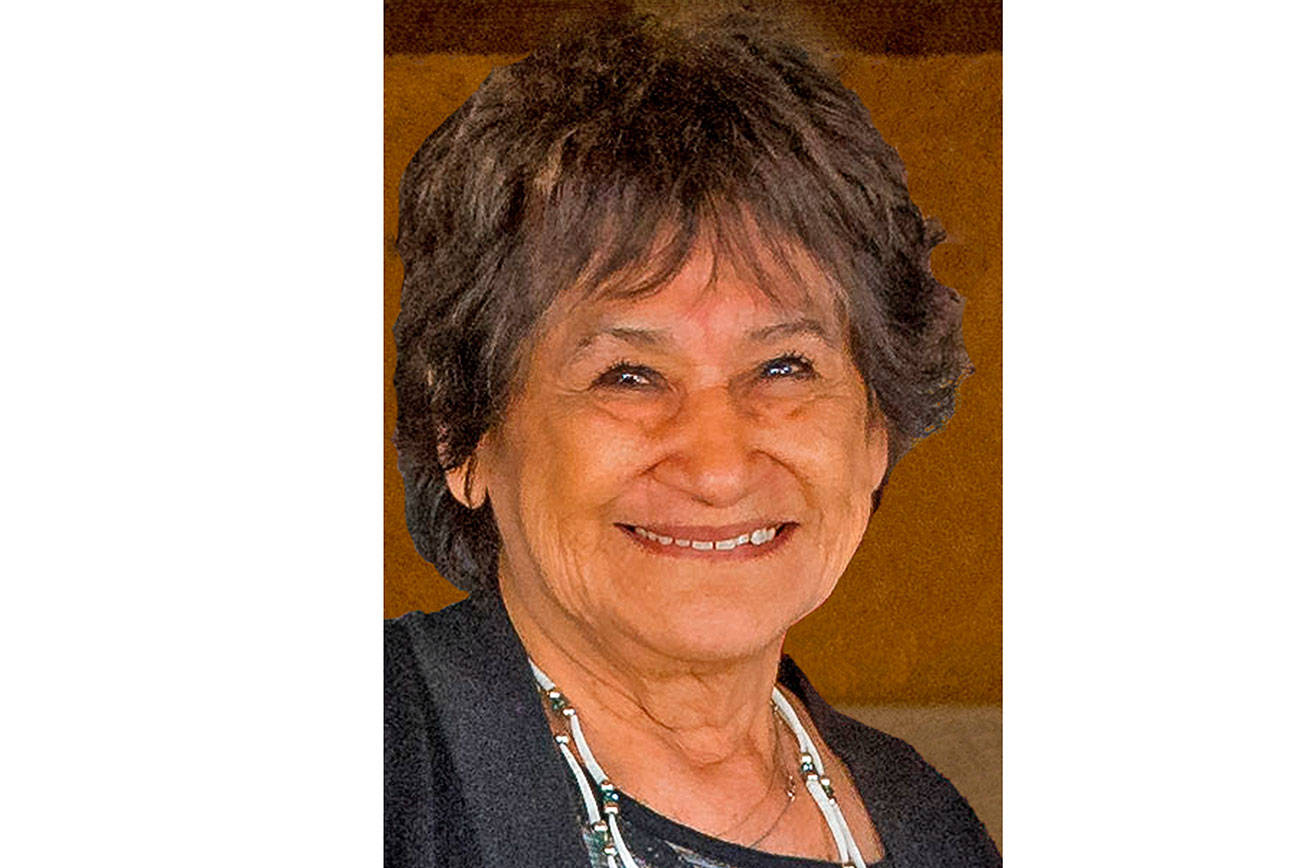
by Don C. Brunell
President, Association of
Washington Business
Once you cross the international dateline heading west, you soon realize you are in Asian Tiger country. It is not some imaginary place at Disneyland but an important part of the world we live in today.
The Asian Tiger refers to the robust economies in densely populated countries like China, Japan, South Korea and Taiwan and metropolitan areas such as Singapore and Hong Kong. These are thriving market-based economies that compete very well worldwide. The notable exception in what was once called The Far East is North Korea, which is ruled by a nuclear bomb-building dictator who is starving his 23 million people.
Many in our country worry about the shift in manufacturing from the U.S. to these countries. Every day we see Asian products from flat screen televisions to clothing lining the shelves of the stores where we shop. Many are from China, and even business and government leaders in South Korea, Taiwan and Japan worry about Chinas ability to lure their production facilities.
Then there is the competition for resources such as crude oil, scrap iron, and industrial metals. China is now the second largest consumer of petroleum, and Americans often find themselves competing against Asian countries for raw materials and energy.
Make no mistake, the Asian Tiger is real, and while it poses a serious challenge, it also presents some great opportunities as well.
During Gov. Gregoires recent trade mission to South Korea and Taiwan, we received a first hand look at both. South Korea and Taiwan are both about the size of western Washington, but South Korea has 48 million people and Taiwan has 23 million. Washington has just over six million.
Just as things are changing in America, change is evident there. For example, people in Seoul, a metropolitan area of 22 million, and Taipei, a city with 2.6 million, are shopping at Costco and buying wines, beef, potatoes, apples, cherries, honey, Almond Roca, frozen vegetables, and hundreds of other products made in Washington. In fact, a Costco store we visited in Seoul is the companys highest volume store, and it looks like any other U.S. Costco, complete with its $1.50 hot dog and soda.
Just as Starbucks dots nearly every city corner in the U.S., it has 100 stores in Taipei alone, and between South Korea and Taiwan, there are more than 325 locations. Lattes, mochas and frappucinos are now competing with tea, the traditional hot drink.
Then there are Burger King and McDonalds serving french fries supplied by Washington food processors.
Asian countries are also big Boeing and Microsoft customers as well, and while they are good customers, they look for opportunities to partner with us and build plants in America. Just as Honda and Toyota have thriving U.S. assembly plants, companies like Taiwan Semiconductor (TSMC) built a silicon wafer production plant in the Vancouver area and could expand that operation as well when the industry switches to the new 12-inch wafer.
The bottom line is Washington is well poised to take advantage of the burgeoning Asian market with its more than two billion people. We are the closest seaport and currently our nations leading exporting state. The key to our success will be the time, patience and persistence we invest in developing relationships with these important trading partners.
The South Koreans and Taiwanese we met with on the trade mission want to do business with Americans. They also want to send their students to Washington universities and technical colleges. Given their cramped quarters, they also want to come to Washingtons open spaces to golf, ski, hike and recreate. As more Asians join the middle class and have disposable income, our state is the perfect place for them to enjoy, learn and spend their money.
The point to all this is Americans need to understand that we are no longer The World Economy, but rather an important part of a very competitive global economy. Remember the old saying that when the American economy catches a cold, the rest of the world gets pneumonia? Forget it. It is a whole new world out there, and we need to identify and leverage our opportunities.
Dealing with the Asian tiger takes time, patience and perseverance
by Don C. Brunell